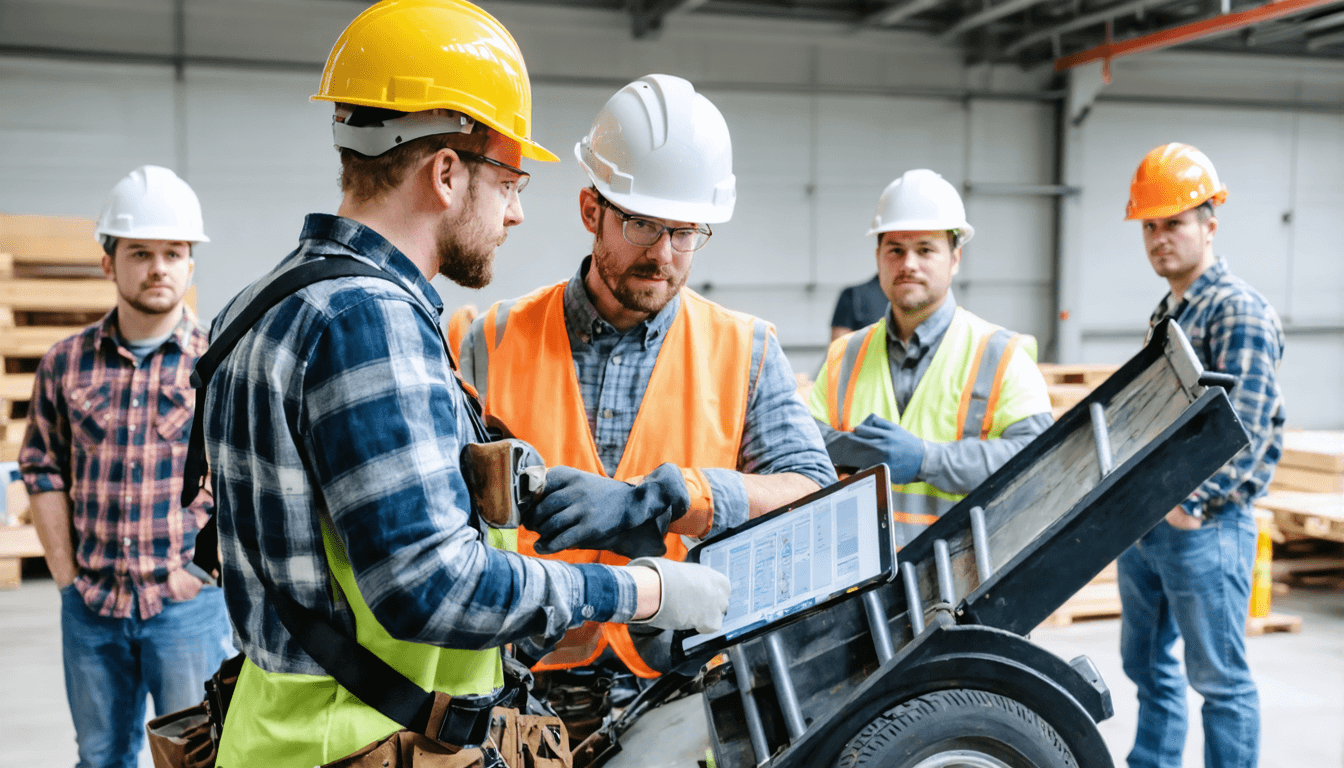
The Hidden Costs of Australia’s Construction Boom:
Why Workers Are Burning Out Faster Than Ever
kate
Creator

Australia’s construction industry is booming, but behind the cranes and concrete lies a growing crisis: burnout, mental health struggles, and job stress among tradies. What changes are needed.
The Boom That’s Breaking Workers
Australia’s construction sector is thriving — multi-billion-dollar infrastructure projects, rapid urban development, and record-breaking housing demand. On the surface, it’s a success story. But talk to the people on the ground, the builders, sparkies, carpenters, and labourers, and a different story emerges. Long shifts, job insecurity, and relentless deadlines are taking a toll. Many construction workers admit they’re physically exhausted and mentally drained, even as the industry continues to grow.
The Real Cost of Growth: Physical and Mental Strain
Australia’s construction boom has fuelled rapid development, but behind every new highway, skyscraper, and housing estate is a workforce carrying a much heavier physical and mental load. The construction industry consistently ranks as one of the most dangerous sectors in the country, and the risks aren’t slowing down.
Every day, workers face a combination of hazards that would be unimaginable in most other professions, but for construction work, it’s their everyday routine. On the physical side, injury rates remain stubbornly high. Falls from heights, machinery accidents, crush injuries, and repetitive strain issues are common and often severe.
Even routine tasks: bending, lifting, twisting, or operating tools slowly wear down the body over the years. Tradies work in harsh, unforgiving environments: extreme heat in summer, freezing mornings in winter, constant exposure to noise, dust, vibration, and hazardous materials.
These conditions chip away at health long before an official injury report is ever filed.
- High injury rates: from falls, machinery accidents, and repetitive strain injuries.
- Harsh conditions: exposure to extreme heat, noise, and dust.
- Fatigue and overwork: long hours and weekend shifts are becoming the norm.
Add to this the pressure to deliver faster and cheaper, and you have a perfect storm for burnout.
According to recent Safe Work Australia data, musculoskeletal disorders account for over one-third of serious claims, while mental health-related claims are rising sharply each year.
The Silent Crisis: Mental Health in Construction
Mental health challenges among construction workers have reached alarming levels, yet they remain heavily underreported and frequently misunderstood. Behind the tough exteriors and “get on with it” culture lies a workforce carrying enormous emotional pressure, often with nowhere safe to unload it.
- Construction workers are six times more likely to die from suicide than from a workplace accident.
- The constant uncertainty of short-term contracts and delayed payments adds financial stress.
- FIFO (fly-in, fly-out) and remote work isolate workers from family and support systems.
Even with increased awareness campaigns, stigma remains. Many tradies feel they can’t talk about mental health issues without risking their reputation or employment.
The culture on many sites still leans heavily on toughness and “just get on with it,” making it hard for workers to admit when they’re struggling. Some worry that speaking up will lead to fewer shifts, lost opportunities, or being seen as unreliable by their crew. Others simply don’t know where to go for support, or fear their concerns won’t be taken seriously.
This silence creates a dangerous environment where problems go unnoticed until they reach the breaking point. Changing this culture requires consistent leadership, open conversations, and workplaces that treat mental health as seriously as physical safety.
Rising Costs, Flat Wages
Cost-of-living increases hit construction workers from every angle. Groceries, fuel, insurance, utilities, everything is rising faster than wages.
The situation becomes even more challenging when it comes to housing. In major cities like Sydney and Melbourne, home prices and rent have reached levels that make it nearly impossible for many workers to live anywhere close to their job sites.
This forces tradies into long, exhausting commutes, which cut into rest time, family time, and recovery time. The result is a cycle of stress and fatigue that starts before the workday even begins.
It’s a painful irony: the people building Australia’s homes often can’t afford one themselves.
A System Ready for Change
The construction boom has outpaced the systems that support its workforce. To build a sustainable future, Australia needs to:
- Prioritise safety and well-being as much as deadlines and budgets.
- Enforce fair pay and timely payments for contractors and subcontractors.
- Invest in digital tools that reduce manual admin, improve site safety, and streamline workflows.
- Provide access to training and mental health resources without stigma.
But real change requires more than policies; it demands a cultural shift where workers are valued not just for their output, but for their long-term health and expertise.
If Australia wants a construction sector that can keep pace with future growth, it needs to build systems that protect people, not just projects.
The industry’s success should never come at the cost of the very workers who make that success possible. With the right investment, leadership, and accountability, we can create a safer, fairer, and more resilient workforce for the next generation.
Building Smarter, Not Harder
Technology has the potential to reduce workers' burden. AI-driven tools, predictive safety systems, and automated scheduling can help manage workloads and prevent fatigue.
These innovations can flag risks before they become accidents, redistribute labour more fairly, and eliminate hours of unnecessary manual paperwork. By giving workers real-time insights into site conditions, equipment status, and personal safety metrics, technology empowers them to make smarter decisions under pressure.
It can also streamline communication between teams, reducing misunderstandings and last-minute chaos that lead to stress and burnout. Over time, these tools don’t just make the job easier; they create a safer, more efficient environment where people can focus on their craft rather than fight the system around them.
Platforms like Marunishi.io are helping workers to have a safe workplace, proper workwear, and equipment. When technology supports workers rather than replaces them, the entire industry benefits.
The Path Forward
Australia’s construction boom should be a source of pride, not pain. It’s time to ensure that those building the nation have the support, stability, and respect they deserve.
Burnout isn’t inevitable — it’s a sign that the system needs rebuilding. And just like any structure worth standing, it starts with a solid foundation: care for the people who build it.
Join the Marunishi Community
At Marunishi, we stand with workers around the world. Not just with gear, but with guidance and solidarity. If you’ve ever worked in an unsafe or uncomfortable environment, or helped fix one, we’d love to hear your story. Join our community of workers pushing for better. 🛠️Speak up. Share support. Shape the future.